Language

Views: 0 Author: Site Editor Publish Time: 2026-07-04 Origin: Site


For commercial dairy and beverage producers, a pasteurization vessel is never just a simple heating container. It acts as the ultimate regulatory firewall protecting final consumers from raw ingredient contamination. Modern operations face intense daily pressure. You must reliably destroy dangerous pathogens to guarantee complete legal compliance. At the exact same time, you cannot afford to degrade the natural nutritional profile or ruin the delicate flavor of your product. High energy prices add another layer of complexity to this daily balancing act. Batch pasteurization provides a versatile and highly controlled approach for small to medium-scale producers. It gives operators exceptional command over their distinct thermal processes. Below, we break down exactly how these systems function and what details matter before purchasing. You will learn the mechanical principles behind targeted thermal treatment. We will also cover essential factors for evaluating different heating mechanisms and sanitary designs to safeguard your production output.
Primary Function: Secures product safety and extends shelf life by systematically heating and cooling raw liquids to exact legal temperature-time standards (e.g., LTLT - Low Temperature Long Time).
Versatility: Serves dual purposes across production lines, functioning efficiently as both a dairy processor and a juice pasteurizer tank.
Evaluation Focus: Choosing the right unit requires assessing heating mechanisms (e.g., electrical vs. steam), material compliance (sanitary stainless steel), and integration capabilities with existing dairy processing equipment.
Compliance Automation: Modern tanks reduce human error through automated agitation, precise thermal logging, and integrated cooling jackets.
The core objective of any batch pasteurizer revolves around thermal kinetics. Facilities commonly rely on the Low Temperature Long Time (LTLT) method. This process typically holds the liquid at exactly 63°C (145°F) for 30 consecutive minutes. This specific time-temperature curve is not arbitrary. Scientists designed it to ensure the reliable destruction of Coxiella burnetii and Mycobacterium tuberculosis. These two incredibly heat-resistant bacteria serve as the baseline targets for global food safety authorities. If your thermal treatment destroys them, it naturally eliminates less resilient spoilage bacteria. More importantly, maintaining this lower temperature prevents catastrophic damage to delicate milk proteins. Casein and whey structures remain fully intact. You preserve the natural structural integrity required for excellent cheese curd formation and smooth liquid consumption.
Heat alone cannot guarantee a safe product batch. You must distribute that heat evenly throughout the entire liquid volume. This makes the integrated agitator a critical mechanical component. A stationary liquid column will naturally stratify. Without continuous and controlled agitation, localized scorching occurs directly against the heated jacket walls. Meanwhile, cold spots will develop near the center or surface of the fluid space. These cold zones allow dangerous bacteria to survive the holding period. Finding surviving pathogens during a routine quality audit will instantly fail your compliance checks and ruin entire product batches. Quality systems use specialized baffle plates and calibrated stirring paddles to constantly fold the liquid over itself, ensuring a uniform temperature from edge to edge.
Processors must view this equipment as a dual-function thermal vessel. Heating represents only half the operational equation. Once the mandatory holding time expires, operators must halt the thermal process rapidly. The jacketed tank walls handle this transition seamlessly. They quickly switch from circulating a hot heating medium to pumping chilled water or food-grade glycol. This rapid chilling cycle drops the internal liquid temperature drastically. It halts any surviving thermophilic bacterial growth immediately post-pasteurization. The ability to execute both heating and rapid chilling inside a single closed environment reduces exposure to airborne contaminants.
Producers frequently utilize these vessels as multi-stage processing hubs. Yogurt and kefir production requires exact temperature stepping. Operators first pasteurize the milk mixture to denature specific whey proteins. Once they complete the heating phase, they cool the batch down to precise incubation temperatures—often around 43°C (110°F). They hold the liquid right there inside the tank. Operators then inoculate the batch with live active cultures directly into the vessel. Keeping the entire process contained within one machine dramatically reduces transfer contamination risks. It eliminates the need to pump sensitive, newly inoculated milk into separate holding vats.
Many multi-product facilities maximize their equipment investment by utilizing the machine as a juice pasteurizer tank. The exact same thermal control principles apply seamlessly to raw apple cider, citrus fruit juices, and even liquid eggs. Fruit juices carry high acidic profiles and distinct microbial threats. Operators adjust the temperature setpoints to target specific wild yeasts, molds, and distinct spoilage bacteria native to orchards. Using a single high-quality vat to handle both morning dairy runs and afternoon orchard pressing maximizes operational floor space.
Ice cream production places unique demands on processing tanks. Ice cream base is a highly viscous mixture containing heavy creams, sugars, and stabilizers. The tank must handle the initial pasteurization of this thick liquid. Following the thermal kill step, the mix requires a prolonged aging period. The tank cools the heavy mixture down to 4°C (39°F) and holds it there for several hours or overnight. Slow, continuous agitation keeps the milk fat suspended in a perfect emulsion. The tank prevents the heavy ingredients from separating before they reach the freezing barrel.
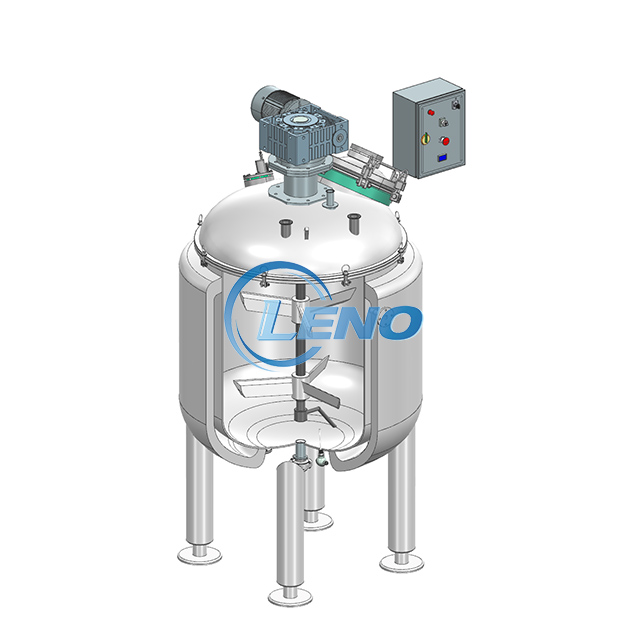
This implementation reality fits perfectly into facilities lacking an existing industrial steam boiler infrastructure. Many urban processing spaces or newly launched artisanal brands cannot install large boilers due to zoning laws or capital constraints. Electrical models utilize submerged heating elements nestled within a sealed water or oil jacket.
Advantages include significantly lower upfront facility modification costs. You avoid expensive pipe fitting and boiler permits. They also offer highly precise, localized temperature control and maintain a much smaller operational footprint. However, you must weigh these benefits against specific limitations. Higher long-term utility costs often emerge depending on local commercial electricity rates. Furthermore, electrical elements deliver slower heat-up times for massive liquid volumes compared to pressurized steam.
This approach remains the absolute standard for large-scale plants possessing an established boiler network. Pressurized steam injects massive amounts of thermal energy into the tank jacket almost instantly. It offers rapid thermal transfer, making it highly efficient for larger batch volumes exceeding 1,000 liters. Steam-equipped plants generally experience lower per-batch energy costs over a long production year. Operators simply open a pneumatic valve, and the tank reaches target temperatures in a fraction of the time an electrical unit requires.
Evaluation Metric | Electrical Heating | Steam/Hot Water Heating |
|---|---|---|
Infrastructure Required | Standard heavy-duty electrical drops (often 3-phase). | Dedicated industrial boiler and steam piping network. |
Initial Setup Cost | Relatively low. Standalone operational capability. | High if a boiler network needs to be newly installed. |
Heat-up Speed | Moderate to slow. Best for volumes under 1,000L. | Extremely rapid. Ideal for massive batch loads. |
Best Practice Use Case | Boutique dairies, urban beverage startups, pilot labs. | Large commercial plants, continuous batching facilities. |
Sanitary engineering dictates the fundamental lifespan of your equipment. You must specify 304 or 316L food-grade stainless steel. Standard 304 handles basic dairy beautifully. However, 316L provides superior resistance against corrosion caused by high-acid juices and harsh cleaning chlorides. Internal welds must be completely seamless and polished to a smooth finish. Pitted welds harbor microscopic biological biofilms. The tank must also feature full CIP (Clean-In-Place) compatibility through integrated spray balls. You should verify strict adherence to 3-A Sanitary Standards or regional Pasteurized Milk Ordinance (PMO) guidelines before releasing any purchase order.
Procuring a vessel demands careful mathematical forecasting. A common mistake involves buying "just enough" capacity for current daily orders. This creates immediate production bottlenecks when seasonal demand spikes. Use a clear framework for sizing.
Calculate your absolute peak seasonal yield.
Determine your available shift hours for processing.
Add a 20-30% growth buffer to the final liquid volume.
This buffered calculation prevents you from running back-to-back exhausting shifts just to meet simple wholesale orders.
Relying on manual temperature controls presents a severe compliance risk. Human operators get distracted. They miss timing marks. We strongly recommend evaluating tanks equipped with integrated PLC (Programmable Logic Controller) systems. Automation removes human error from the holding cycle. Furthermore, regulatory bodies increasingly mandate automated digital chart recorders. These systems produce unalterable, time-stamped audit trails of your exact time and temperature curves. If an inspector questions a batch, your digital log provides immediate, mathematical proof of safety.
No pasteurization tank operates in isolation. It sits directly in the center of a complex facility ecosystem. The vessel must functionally connect via rigid sanitary piping to various upstream and downstream machines. Raw milk often flows from storage silos through centrifugal separators before entering the vat. After pasteurization, the liquid must travel smoothly into homogenizers and eventually into sensitive filling lines. Misaligning the pipe heights or using incompatible sanitary fittings will stall your entire installation process.
Implementing mismatched flow rates creates severe product damage. You must ensure the tank's discharge valves size perfectly with your sanitary transfer pumps. If a powerful positive displacement pump pulls liquid faster than the tank valve allows, it creates cavitation. This physical stress causes severe shear damage to the pasteurized product. It shatters milk fat globules, causing unwanted foaming and ruining the mouthfeel of premium products. Always match the pump curve strictly to the tank's gravity discharge rate.
Buyers frequently overlook their building's absolute utility limits. Before finalizing a tank specification, audit your facility thoroughly.
Check your total electrical phase availability (single-phase vs. three-phase power).
Calculate the necessary amperage draw when all heating elements fire simultaneously.
Audit your chilled water or glycol system's tonnage capacity.
A tank cannot execute a rapid chilling cycle if your facility chiller lacks the raw horsepower to absorb the sudden heat load.
Investing in a commercial pasteurization vessel represents a direct investment in brand protection. It secures your regulatory compliance while offering incredible product versatility across different beverage lines. When shortlisting options, prioritize impeccable sanitary design above all else. Match the heating mechanism logically to your existing building utilities. Ensure your chosen unit features robust, automated data logging capabilities to satisfy strict inspectors. Do not guess on specifications. Your best next step is to consult directly with a processing equipment engineer. Have them conduct a detailed utility audit of your facility so you can appropriately size and integrate your new thermal system without facing costly installation surprises.
A: The difference lies in volume and methodology. Batch tanks use the LTLT method (lower temperature for 30 minutes). They are ideal for artisanal producers, high-solids mixtures, or smaller daily runs. HTST (High Temperature Short Time) utilizes continuous flow plates, heating milk for just 15 seconds. HTST systems are built for massive, non-stop fluid milk output.
A: Yes, absolutely. You can process high-acid products provided the tank is constructed from 316L stainless steel. This specific metal grade resists corrosion and pitting from acidic profiles, allowing the unit to function perfectly as a dual-purpose beverage processor.
A: It utilizes high-efficiency submerged heating elements placed within a sealed water or oil jacket. A thermostatic PLC manages these elements. The controller pulses electrical energy in short bursts as the liquid approaches the target temperature. This pulsing prevents temperature overshoot and eliminates product scorching.
A: You must use CIP (Clean-In-Place) protocols. This involves circulating alkaline washes and acid rinses through integrated spray balls at specific temperatures and high flow velocities. Proper CIP removes calcified milk stone and dangerous biological biofilms automatically without requiring manual scrubbing.


