Language

Views: 0 Author: Site Editor Publish Time: 2026-02-23 Origin: Site


Stainless steel cooling tanks are essential equipment in industries where precise temperature control is crucial to maintaining product quality and safety. These tanks are designed to store or process materials that need to be kept at specific temperatures, preventing spoilage, degradation, or unwanted chemical reactions. In industries like food and beverage, pharmaceuticals, and chemicals, stainless steel cooling tanks play a vital role in cooling liquids, ingredients, and other sensitive materials. The ability to regulate temperature ensures that products maintain their desired texture, flavor, or potency, and helps preserve their shelf life. Temperature control in these industries is not only a matter of quality but also safety and compliance with strict regulatory standards, making the role of cooling tanks indispensable in various production processes.
Effective temperature control in stainless steel cooling tanks is crucial to maintaining the quality and stability of materials. Various methods are used to regulate the temperature, ensuring that the tank contents are kept at the desired levels for optimal performance.
Explanation: A jacketed cooling system involves a layer of space around the outside of the stainless steel tank that is filled with a coolant (such as chilled water or glycol). This jacketed layer helps to absorb the heat from the tank’s contents and maintain the required temperature.
How It Works: The coolant circulates through the jacket, pulling heat away from the tank and lowering the temperature of the material inside. Jacketed systems are especially useful for large tanks and are ideal for processes requiring consistent cooling over time.
Benefits: This method provides uniform cooling, reduces thermal stress on the material, and is energy-efficient, as it can be continuously maintained.
Explanation: Internal cooling coils are tubes or pipes installed inside the tank through which coolant circulates. These coils directly cool the contents of the tank by transferring heat from the material into the coolant flowing inside the coils.
How It Works: Coolant, typically water or a water-glycol mix, flows through the coils, absorbing the heat from the tank’s contents. This method is effective for tanks with a smaller volume or where more direct temperature control is required.
Benefits: Internal coils provide rapid cooling and precise control of the temperature. They are often used in applications that require more aggressive or localized cooling, such as in food and beverage production.
Explanation: Temperature control valves are essential components in maintaining stable temperatures within a cooling tank. These valves regulate the flow of coolant into the jacket or internal coils to control the rate of cooling.
How It Works: The valve opens or closes depending on the current temperature of the tank, allowing more or less coolant to flow through the system. This helps maintain a constant temperature, preventing overheating or excessive cooling.
Benefits: Temperature control valves ensure precise temperature regulation by adjusting the flow of coolant based on real-time tank conditions. This method is ideal for processes that require dynamic adjustments, such as fermentation or sensitive chemical reactions.
Effective temperature control in stainless steel cooling tanks relies on various components working together. Key components include chillers, coolants, and thermostats and sensors, each playing a crucial role in maintaining stable and efficient cooling processes.
Types of Chillers:
Chillers are refrigeration systems used to lower the temperature of the coolant circulating through the cooling tank. There are different types of chillers based on their cooling capacity and design:
Air-Cooled Chillers: Use ambient air to cool the refrigerant. They are ideal for applications with moderate cooling needs and where water usage is limited.
Water-Cooled Chillers: Use water to cool the refrigerant, offering higher cooling efficiency and are suitable for large-scale cooling operations.
Glycol Chillers: Specifically designed for applications where freezing temperatures are needed, glycol chillers mix water and glycol (antifreeze) to prevent freezing while providing effective cooling.
Role of Coolants:
Coolants, such as glycol or chilled water, circulate through the cooling system to absorb heat from the tank contents. Glycol (usually a mixture of water and antifreeze) is commonly used in low-temperature environments, as it has a lower freezing point than water, preventing freezing in the cooling system. Chilled water is often used for general cooling purposes and is ideal for systems requiring moderate temperature control.
Benefits:
Chillers and coolants work together to maintain consistent and reliable cooling, ensuring that the materials inside the tank remain within their desired temperature range. The choice of chiller and coolant depends on the specific temperature requirements and size of the cooling tank.
Importance of Thermostats:
Thermostats regulate the temperature of the cooling system by controlling the flow of coolant based on preset temperature limits. When the temperature rises above the desired level, the thermostat activates the cooling system, ensuring the tank's contents are cooled back to the set point.
Role of Sensors:
Temperature sensors are placed in strategic locations in the tank and cooling system to continuously monitor the temperature. These sensors send real-time data to the thermostat or control system, allowing for precise adjustments to the cooling process. Common sensors used include thermocouples and RTDs (resistance temperature detectors), both of which offer accurate and reliable temperature measurements.
Benefits:
Thermostats and sensors enable precise temperature control, ensuring that the cooling process is both efficient and consistent. By providing real-time feedback, they help maintain the optimal conditions for materials stored or processed in the tank, preventing overheating or undercooling.
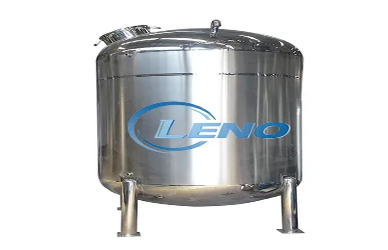
Temperature control in stainless steel cooling tanks is essential for maintaining the quality, safety, and efficiency of materials across various industries. Below are key applications and benefits of temperature control in food and beverage, pharmaceuticals, and industrial use:
Applications:
In the food and beverage industry, maintaining the correct storage temperature is crucial to prevent spoilage and preserve product quality. Stainless steel cooling tanks are used to store and cool liquids like milk, juices, and alcoholic beverages. They are also used in brewing, fermentation, and the processing of dairy products, where precise temperature control ensures the products remain fresh and safe.
Benefits:
Temperature control prevents bacterial growth, extends shelf life, and ensures the texture, flavor, and color of food products remain consistent. By maintaining optimal temperatures, cooling tanks help ensure compliance with food safety standards and enhance the overall quality of the products.
Applications:
Pharmaceuticals often require precise temperature control to maintain the stability and efficacy of ingredients. Stainless steel cooling tanks are used to store active pharmaceutical ingredients (APIs), raw materials, and finished products that are sensitive to temperature fluctuations. These tanks are critical in processes like fermentation, emulsification, and the storage of biologics.
Benefits:
Proper temperature regulation is essential for maintaining the potency and safety of pharmaceutical products. It helps prevent degradation of sensitive compounds, ensures consistency, and extends the shelf life of medications. Temperature control also ensures that products meet stringent regulatory requirements for storage and handling.
Applications:
In various manufacturing processes, such as chemical production, plastics molding, and metalworking, temperature control is essential to prevent overheating, spoilage, or failure of materials. Stainless steel cooling tanks are used to cool molten metals, chemicals, or materials that are sensitive to temperature changes. They are also used in cooling systems for industrial machinery or in the storage of temperature-sensitive raw materials.
Benefits:
Temperature control helps to maintain material properties, prevent material degradation, and improve the efficiency of manufacturing processes. In industries such as chemicals and metals, controlling temperature prevents unwanted reactions and ensures that products are produced with the required consistency and quality.
Temperature is controlled using jacketed cooling systems, internal coils, and thermostats that regulate coolant flow to maintain consistent temperatures.
Jacketed systems surround the tank with a layer that circulates coolant, such as chilled water or glycol, to absorb heat from the tank's contents.
Yes, stainless steel cooling tanks are versatile and are used in food and beverage production, pharmaceuticals, and industrial applications to maintain precise temperatures.
Cooling systems should be inspected regularly for leaks, coolant levels, and temperature control efficiency. Annual maintenance ensures optimal performance and energy efficiency.
Precise temperature control in stainless steel cooling tanks is critical across various industries, including food and beverage, pharmaceuticals, and industrial manufacturing. By maintaining consistent temperatures, these tanks ensure that materials are stored and processed under optimal conditions, preventing spoilage, degradation, or unwanted chemical reactions. Effective temperature regulation directly impacts product quality by preserving flavor, potency, and texture, while also enhancing operational efficiency. In addition to improving safety and compliance with industry standards, good temperature control reduces energy consumption, minimizes waste, and extends the lifespan of both the tank and the materials being processed. Ultimately, investing in accurate and reliable temperature control ensures the production of high-quality products and a more efficient and cost-effective operation.


