Language

Views: 0 Author: Site Editor Publish Time: 2026-02-10 Origin: Site


Stainless steel mixing tanks play a crucial role in numerous industries, offering a reliable solution for blending ingredients, chemicals, and other materials. Their versatility and durability make them indispensable in sectors like food and beverage, pharmaceuticals, chemicals, and cosmetics. Stainless steel is the preferred material for mixing tanks due to its exceptional resistance to corrosion, high temperatures, and harsh chemicals, ensuring that the tank remains in top condition even in demanding environments. Additionally, stainless steel's non-reactive nature ensures that the products being mixed are not contaminated, maintaining the integrity and purity of the ingredients. Its easy-to-clean surface also helps meet stringent hygiene and safety standards, making it an ideal choice for industries where cleanliness is paramount. The strength and longevity of stainless steel mixing tanks contribute to their widespread use across various sectors.
Stainless steel mixing tanks are widely used in the food and beverage industry due to their ability to handle various processes, including mixing ingredients, fermentation, and beverage production.
3Mixing Ingredients: Stainless steel mixing tanks are ideal for blending ingredients like sugar, flour, or spices for sauces, batters, and other food products. Their robust design ensures uniform consistency and prevents contamination.
Fermentation: These tanks are crucial for fermenting products such as beer, yogurt, and other dairy or alcoholic beverages. Stainless steel provides a sterile environment, reducing the risk of bacterial contamination while maintaining the quality of the product.
Beverage Production: Stainless steel mixing tanks are used for brewing beer, carbonating soft drinks, and blending juices, ensuring that the beverages retain their flavor and texture without reacting with the tank’s surface.
Hygiene: Stainless steel is non-porous and easy to clean, making it highly effective in maintaining hygiene standards. It reduces the risk of bacterial growth, which is essential in food processing environments.
Corrosion Resistance: Stainless steel’s excellent resistance to corrosion ensures that the tanks can withstand contact with acidic or alkaline food substances, such as fruit juices, dairy, and sauces, without degrading.
Durability: Stainless steel tanks are highly durable and can endure frequent cleaning cycles and harsh environments, making them a long-term investment for food and beverage manufacturers.
Non-Reactivity: Stainless steel does not react with food ingredients, preserving the flavor and quality of the products being processed, and ensuring that there are no unwanted chemical reactions.
Stainless steel mixing tanks are critical in the pharmaceutical industry, where precision, hygiene, and product integrity are paramount. These tanks are essential for processes like mixing active ingredients, creating suspensions, and blending medications.
Mixing Active Ingredients: Stainless steel mixing tanks are used to combine active pharmaceutical ingredients (APIs) with excipients to create the right formulation for pills, syrups, and other medications.
Creating Suspensions: In the pharmaceutical industry, suspensions (liquid formulations containing solid particles) are often created in stainless steel tanks. The tanks allow for even dispersion of particles in the liquid, ensuring consistency in the final product.
Blending Medications: Stainless steel tanks are also used for blending medications to ensure the proper dosage and uniformity across the entire batch, maintaining the efficacy and quality of the product.
Maintaining Product Integrity: Stainless steel’s non-reactive properties are crucial in the pharmaceutical industry. It ensures that the active ingredients and excipients remain unaltered during the mixing process, preventing contamination or undesirable chemical reactions. This is especially important for medications, where the slightest change in composition can affect efficacy or safety.
Preventing Leaching: Stainless steel does not leach harmful substances into the mixture, unlike some other materials that may react with the ingredients, potentially compromising the final product's safety and effectiveness.
Meeting Stringent Standards: Pharmaceutical manufacturing requires compliance with strict regulatory standards. Stainless steel tanks help meet these standards by providing a sterile, non-reactive surface that minimizes the risk of contamination and supports the production of high-quality, safe medications.
Stainless steel mixing tanks are crucial in the chemical industry for processes that require precision, safety, and durability. These tanks are widely used for mixing chemicals, emulsions, and coatings, where high resistance to corrosion and aggressive substances is necessary.
Mixing Chemicals: Stainless steel tanks are used for blending various chemicals to produce solutions, reactants, or intermediates required for manufacturing products such as fertilizers, plastics, or detergents. The ability to mix chemicals uniformly ensures consistency in production.
Emulsions: In chemical manufacturing, emulsions (mixtures of immiscible liquids, such as oil and water) are often created in stainless steel tanks. These tanks enable stable dispersion, ensuring that the emulsion remains uniform throughout the process.
Coatings: Stainless steel tanks are essential for producing coatings used in industries like automotive, construction, and electronics. The tanks allow for precise mixing of resins, solvents, and additives, creating coatings with the desired properties, such as adhesion, durability, and flexibility.
Handling Aggressive Substances: Stainless steel is highly resistant to the corrosive effects of aggressive chemicals, such as acids, alkalis, and solvents commonly used in the chemical industry. This makes it ideal for storing and processing harsh substances without compromising the integrity of the tank.
Corrosion Resistance: Stainless steel’s ability to resist corrosion from harsh chemicals ensures a long service life for mixing tanks. Even in environments with high concentrations of corrosive substances, stainless steel remains durable and reliable, reducing the risk of leaks, contamination, or failure.
Longevity and Maintenance: The durability of stainless steel tanks reduces the need for frequent maintenance or replacements, making them cost-effective in the long run. Regular cleaning and maintenance help preserve the tanks’ performance, ensuring safe and efficient operation in aggressive environments.
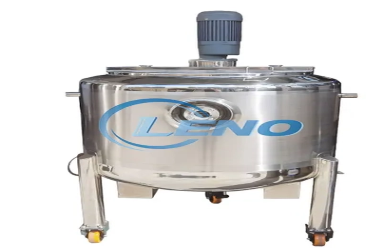
Stainless steel mixing tanks are essential in the cosmetic and personal care industry, used for blending products like creams, lotions, shampoos, and more.
Blending Creams and Lotions: Stainless steel tanks ensure even mixing of ingredients like oils, emulsifiers, and water for smooth, high-quality creams and lotions.
Shampoos and Conditioners: Used to blend surfactants, thickeners, and conditioners, ensuring proper texture and effectiveness.
Other Products: Also used for deodorants, body washes, and face masks, ensuring consistent quality.
Non-Reactive Surface: Stainless steel prevents interaction with ingredients, preserving product integrity.
Corrosion Resistance: Ensures stable formulations by preventing chemical reactions that could affect product quality.
Hygienic and Easy to Clean: The smooth surface makes cleaning easy, reducing contamination risks.
Durability: Stainless steel’s strength allows it to withstand frequent cleaning, maintaining consistent product quality over time.
Stainless steel mixing tanks are commonly used in the water treatment industry to mix chemicals required for various purification processes, ensuring effective treatment of water for drinking, industrial use, and wastewater management.
Mixing Chemicals for Water Treatment: Stainless steel tanks are used to mix chemicals like chlorine, coagulants, and disinfectants, which help in purifying and treating water. These chemicals are essential for processes like flocculation, coagulation, and disinfection.
Chemical Dosing Systems: Stainless steel tanks are also used in chemical dosing systems, where precise amounts of chemicals are added to the water to achieve desired treatment levels, such as pH balance or contaminant removal.
Corrosion Resistance: Water treatment chemicals, such as chlorine and acids, can be highly corrosive to most materials. Stainless steel, particularly grades like 316L, offers superior corrosion resistance, ensuring the tank can withstand the harsh chemical environment without degradation.
Durability in Harsh Conditions: Stainless steel's ability to endure exposure to both harsh chemicals and fluctuating temperatures makes it ideal for water treatment plants, where tanks are constantly exposed to corrosive substances.
Long Lifespan: The durability of stainless steel reduces the need for frequent tank replacements, making it a cost-effective choice for long-term operations in water treatment facilities.
Stainless steel mixing tanks are used to combine ingredients, liquids, and powders in various industries, including food, pharmaceuticals, and chemicals.
Stainless steel is durable, corrosion-resistant, easy to clean, and non-reactive, making it ideal for maintaining product integrity and hygiene.
Stainless steel mixing tanks are commonly used in the food and beverage, pharmaceutical, chemical, cosmetic, and water treatment industries.
They ensure uniform mixing, prevent contamination, and maintain the purity of ingredients, ensuring high-quality products in various industries.
Stainless steel mixing tanks play a vital role across a variety of industries, including food and beverage, pharmaceuticals, chemicals, cosmetics, and water treatment. These tanks are crucial for mixing ingredients, blending active compounds, and handling chemical processes. The non-reactive and corrosion-resistant properties of stainless steel make it the ideal material for maintaining product integrity, hygiene, and safety in harsh environments. The long-term benefits of using stainless steel mixing tanks include their durability, ease of maintenance, and ability to withstand exposure to aggressive chemicals and extreme conditions. By investing in stainless steel tanks, industries can ensure consistent product quality, reduce operational downtime, and enjoy a longer service life, making them a cost-effective and reliable solution for various sectors.


