Language

Views: 0 Author: Site Editor Publish Time: 2026-02-09 Origin: Site


Stainless steel tanks play a crucial role across various industries, particularly in food processing, pharmaceuticals, and chemicals. These tanks are essential for storing, mixing, and cooling a wide range of materials, providing the durability and functionality required for demanding environments. One of the key advantages of stainless steel is its exceptional corrosion resistance, which ensures long-lasting performance even when exposed to harsh chemicals or moisture. Additionally, stainless steel's ability to withstand high temperatures makes it ideal for processes that require heating or cooling. Its smooth, non-porous surface also makes it easy to clean and sanitize, ensuring compliance with strict hygiene standards in food and beverage production. This combination of durability, heat resistance, and ease of maintenance makes stainless steel the preferred choice for manufacturing high-quality tanks used in many industrial applications.
Stainless steel tanks come in various types, each designed for specific applications across different industries. Below are some of the most common types and their uses:
Applications:
Storage tanks are primarily used to store liquids, gases, or granular materials for both short-term and long-term use. These tanks are commonly found in the food and beverage, pharmaceutical, and chemical industries. They are designed to preserve the quality of the stored substances by preventing contamination and ensuring stable conditions. For example, in the dairy industry, storage tanks are used to hold milk and other liquids before they undergo processing.
Applications:
Mixing tanks are designed to combine various materials or ingredients to create a uniform mixture. They are often used in industries like food processing (e.g., mixing ingredients for sauces or beverages), cosmetics (e.g., blending creams or lotions), and pharmaceuticals (e.g., mixing active ingredients for medications). These tanks typically feature an agitator or stirring mechanism to ensure that all components are thoroughly mixed.
Applications:
Cooling tanks are used to lower the temperature of liquids or materials that need to be stored or processed at a cooler temperature. These are especially crucial in industries like dairy (for cooling milk), beverages (for chilling soft drinks or beer), and chemicals (for temperature-sensitive reactions). Cooling tanks are often equipped with jacketed walls or internal cooling systems to maintain the desired temperature for the stored substance.
Applications:
Fermentation tanks are specialized tanks used for processes like brewing beer, producing yogurt, or fermenting other food products. These tanks are designed to maintain an optimal environment for microbial activity, including temperature and oxygen control, making them a critical component in food and beverage production.
Applications:
Pressure tanks are used to store materials under pressure, often in applications such as carbonated beverage production or chemical reactions that require specific pressure conditions. These tanks are designed to withstand high internal pressures while ensuring safety and preventing leakage or contamination.
Stainless steel is a widely used material in various industries, and choosing the right grade is essential to ensure durability, corrosion resistance, and suitability for specific applications. Two of the most common grades of stainless steel are 304 and 316L. Below is a detailed comparison of both grades:
Properties:
304 stainless steel is the most commonly used stainless steel grade. It contains a mix of iron, chromium (18-20%), nickel (8-10.5%), and small amounts of other elements. The high chromium content gives it excellent corrosion resistance and durability.
Corrosion Resistance:
304 stainless steel offers good resistance to oxidation and corrosion in most environments. It is highly resistant to rust and stains, making it a popular choice for general applications in food processing, kitchen equipment, and architectural applications. However, it can corrode in chloride-rich environments, such as marine or coastal applications, if not maintained properly.
Applications:
Food and beverage processing equipment
Kitchen appliances (sinks, countertops)
Architectural applications (railings, columns)
Chemical containers and tanks (non-corrosive environments)
Brewing equipment
Properties:
316L stainless steel is an alloy of 304 steel, but with the addition of molybdenum (2-3%). The molybdenum gives it improved corrosion resistance, especially against chlorides and other harsh chemicals. The "L" in 316L stands for "low carbon," which enhances its weldability and reduces the risk of sensitization in high-temperature environments.
Corrosion Resistance:
316L offers superior corrosion resistance compared to 304 stainless steel, particularly in harsh environments, including marine applications and areas with high levels of chloride exposure. This makes it ideal for use in industries where the material is exposed to extreme conditions, such as in chemical processing, pharmaceutical applications, and coastal regions.
Applications:
Marine equipment (boats, ship components)
Pharmaceutical and food processing equipment
Chemical tanks and pipes (in chemical industries and refineries)
Medical instruments (because of its high resistance to bio-corrosion)
Water treatment systems
Property | 304 Stainless Steel | 316L Stainless Steel |
Corrosion Resistance | Good resistance in most environments | Excellent resistance, especially in chloride-rich environments |
Nickel Content | 8-10.5% | 10-14% |
Molybdenum Content | None | 2-3% |
Weldability | Good | Excellent (due to low carbon content) |
Cost | Less expensive than 316L | More expensive due to molybdenum content |
Applications | General applications, food processing, architecture | Harsh environments, marine, chemical, and pharmaceutical industries |
Stainless steel tanks are widely used in various industries due to their durability, corrosion resistance, and hygienic properties. Below are some common applications:
Applications:
Fermentation & Brewing: Stainless steel fermentation tanks are used in breweries to ferment beer, offering temperature control and preventing contamination.
Dairy Processing: Used for storing and processing milk and dairy products, ensuring hygiene and resistance to bacterial growth.
Beverage Storage: Stainless steel tanks store juices, soft drinks, and alcoholic beverages, preserving flavor and quality.
Sauces & Condiments Production: Used for blending ingredients in sauces and condiments.
Benefits:
Resists corrosion from food acids and salts.
Non-reactive, preserving flavor and quality.
Easy to clean, meeting strict hygiene standards.
Applications:
Chemical Processing: Stainless steel tanks store and process chemicals, including corrosive liquids and solvents, ensuring safety and longevity.
Pharmaceutical Production: Used to store active ingredients and mix chemical compounds in pharmaceutical manufacturing.
Sterilization: Tanks withstand high temperatures and pressure during sterilization processes like autoclaving.
Benefits:
Corrosion and heat-resistant, ideal for aggressive chemicals.
Ensures product purity and meets hygiene standards.
Applications:
Water Storage & Treatment: Stainless steel tanks store potable water and treat wastewater, resisting corrosion from chemicals like chlorine.
Wastewater Treatment: Used for settling, filtration, and chemical dosing in water treatment plants.
Chemical & Sludge Storage: Store chemicals and hold treated sludge safely.
Benefits:
Durable and resistant to chemicals used in treatment processes.
Long lifespan with minimal maintenance.
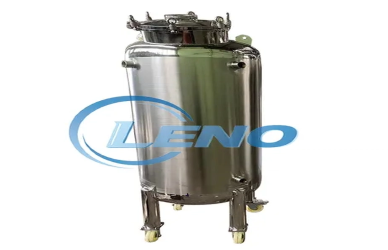
Proper maintenance and cleaning are essential for extending the life of stainless steel tanks and ensuring their efficient operation. Below are key practices:
Daily Cleaning:
Rinse: Rinse the tank with warm water immediately after use to remove residue and prevent buildup.
Mild Detergents: Use mild, non-abrasive detergents with warm water to clean the tank, avoiding harsh chemicals.
Inspect for Leaks: Regularly check for leaks or damage in the tank's structure or fittings.
Wipe Down Surfaces: Clean exterior surfaces with a soft cloth to remove dust and dirt.
Sanitization:
Sanitize After Use: Sanitize tanks used for food or pharmaceuticals with appropriate, food-safe sanitizers.
CIP Systems: Utilize Clean-In-Place (CIP) systems for efficient, thorough cleaning without disassembling the tank.
Regular Inspections:
Check for Corrosion: Inspect for early signs of corrosion, especially in areas exposed to moisture or chemicals.
Examine Joints and Welds: Look for cracks or wear at joints and welds to prevent leaks.
Avoid Harsh Chemicals:
Limit Exposure to Harsh Substances: Avoid prolonged exposure to highly acidic or caustic chemicals that could damage the tank.
Proper Storage:
Store Dry: If not in use, store the tank in a dry area to avoid moisture buildup.
Protect from Damage: Prevent physical damage that can cause scratches or dents, leading to corrosion.
Regular Lubrication:
Lubricate Moving Parts: Regularly lubricate parts like agitators or valves to prevent wear and tear.
Stainless steel tanks are used for storing, mixing, and cooling liquids or materials in industries such as food processing, pharmaceuticals, and chemicals.
Stainless steel offers high corrosion resistance, durability, and ease of cleaning, making it ideal for food, beverage, and chemical industries.
Choosing the right size depends on production capacity, available space, and the type of materials being stored or processed.
316L offers better corrosion resistance, especially in harsh environments like seawater or chemicals, making it ideal for high-end applications.
Stainless steel tanks play an irreplaceable role in modern industries, offering unmatched durability, corrosion resistance, and hygiene, making them essential in sectors such as food processing, pharmaceuticals, and chemicals. These tanks are crucial for storing, mixing, and cooling various substances, maintaining the quality and integrity of the products. Selecting the right stainless steel tank involves considering factors like the type of material being stored, the environment it will be exposed to, and the required tank specifications such as size, capacity, and design features like temperature control or agitation. Understanding the unique needs of your industry and ensuring the tank is made from the appropriate stainless steel grade, like 304 or 316L, is key to maximizing performance and extending the tank's lifespan. By choosing the right tank, businesses can ensure long-term efficiency, product safety, and cost-effectiveness.


